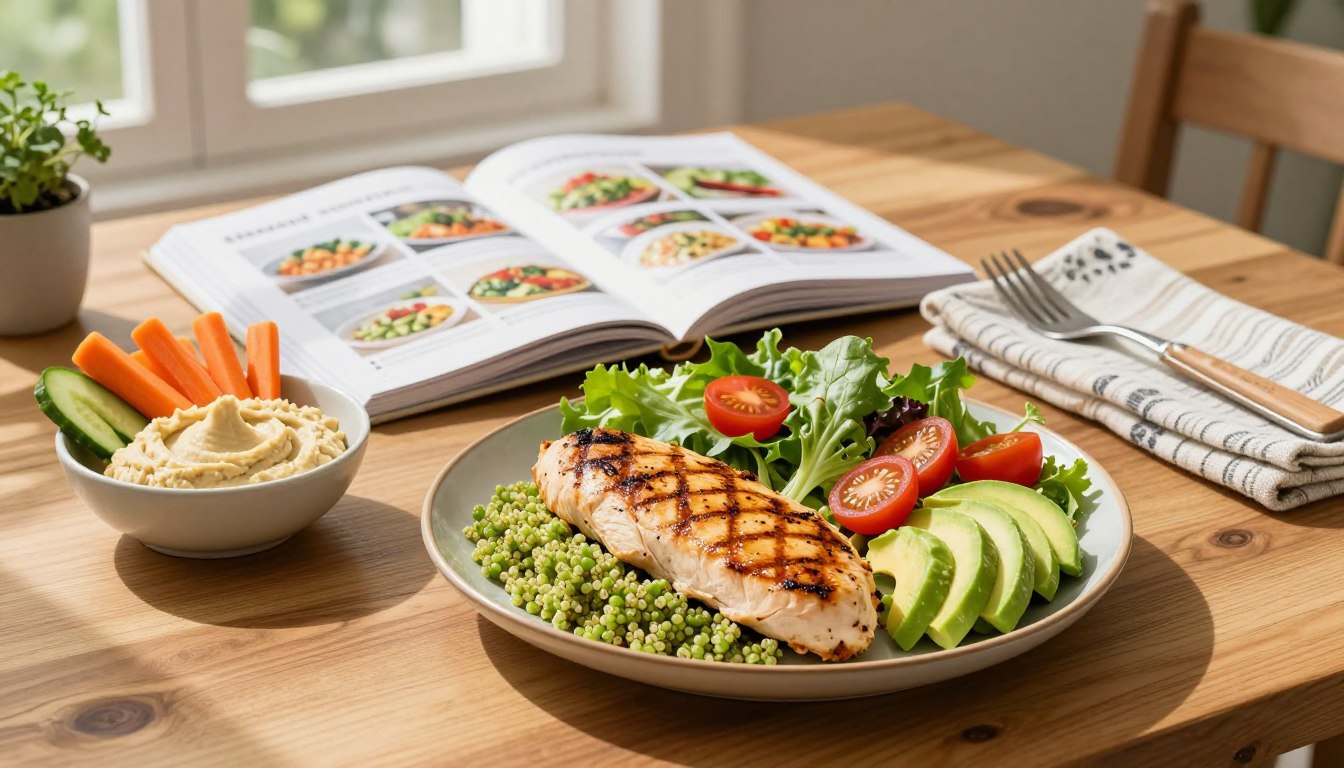
Did you know that nearly 80% of adults in the United States report feeling exhausted during the workday due to poor nutritional choices? This startling statistic highlights a growing need for a shift in how we fuel our systems. Adopting healthy eating habits is not about restriction; it is about choosing high-quality fuel that powers your life.
By focusing on whole food nutrition, you can unlock a new level of physical vitality. A structured approach helps simplify your daily routine, making it easier to sustain long-term wellness. This clean eating guide provides the foundational steps to transform your relationship with food.
Learning how to eat clean allows you to enjoy vibrant flavors while supporting your body’s natural functions. Implementing these healthy lifestyle tips will help you feel more energized and focused every single day. Let us explore how a simple, balanced clean eating meal plan can become the cornerstone of your journey toward better health.
Key Takeaways
- Prioritize whole, unprocessed foods to boost daily energy levels.
- Small, consistent changes lead to sustainable long-term wellness.
- Hydration plays a critical role in supporting your metabolic health.
- Preparation is the secret to maintaining consistent dietary choices.
- Focus on nutrient density rather than just counting calories.
Core Principles of a Balanced Clean Eating Meal Plan
Learning how to eat clean is a journey that prioritizes nourishment over restriction. Rather than focusing on what you must remove, this approach emphasizes adding high-quality, unprocessed ingredients to your daily routine. A balanced clean eating meal plan acts as a roadmap for long-term health, helping you feel your best every single day.
Defining Clean Eating for Your Lifestyle
Adopting healthy eating habits is not about perfection; it is about consistency and making informed choices. By focusing on whole food nutrition, you provide your body with the vitamins and minerals it needs to thrive. These nutrient-dense meals are naturally satisfying, which makes sustainable weight management feel like a natural outcome rather than a struggle.
“Let food be thy medicine and medicine be thy food.”
When you shift your mindset, you stop viewing food as a source of guilt. Instead, you begin to see it as the fuel that powers your busy life. This perspective shift is the cornerstone of a successful wellness journey.
Essential Macronutrient Balance
A balanced diet plan requires a thoughtful mix of proteins, healthy fats, and complex carbohydrates. This combination is vital for stabilizing blood sugar levels and preventing the mid-afternoon energy crash. When you prioritize this balance, you will likely notice several whole food diet benefits, including:
- Improved digestion and gut health.
- Greater mental clarity and focus.
- Consistent energy levels throughout the day.
- Reduced cravings for processed sugars.
By incorporating these elements, you create a sustainable rhythm that supports your body’s unique needs. Remember that your plate should be as colorful as possible to ensure a wide variety of nutrients. This simple habit ensures you are getting the diverse fuel required for optimal performance.
Step-by-Step Guide to Building Your Weekly Menu
Transforming your kitchen into a hub of health starts with a simple, organized approach to your weekly menu. Following a reliable clean eating guide helps remove the guesswork from your daily routine. By setting up your environment for success, you make healthy choices the easiest ones to reach for when hunger strikes.
Step One: Stocking Your Pantry with Whole Foods
A well-stocked kitchen is the foundation of any balanced diet plan. You should focus on filling your shelves with versatile clean eating pantry staples that serve as the building blocks for countless meals. Having these items on hand ensures you can whip up something nutritious even on your busiest days.
- Whole grains like quinoa, brown rice, and rolled oats.
- Legumes such as chickpeas, black beans, and lentils.
- Raw nuts and seeds for healthy fats and crunch.
- Natural sweeteners like raw honey or pure maple syrup.
Step Two: Planning Your Daily Meals
Effective meal planning for beginners involves looking at your week ahead and identifying where you need the most support. When you map out your meals, you reduce the likelihood of relying on processed convenience foods. This proactive strategy keeps your nutrition goals on track throughout the entire week.
Breakfast Ideas for Sustained Energy
Starting your morning with energy-boosting foods sets a positive tone for the rest of the day. Focus on combinations that provide fiber and protein to keep you full until lunch. Try overnight oats topped with fresh berries or a smoothie bowl packed with spinach, hemp seeds, and almond butter.
Lunch and Dinner Strategies
When it comes to your main meals, prioritize nutrient-dense meals that are easy to assemble. A simple strategy is to pair a lean protein with a large portion of roasted vegetables and a complex carbohydrate. This formula allows you to rotate ingredients so your palate never gets bored while you explore new clean eating recipes.
Step Three: Preparing for Success with Batch Cooking
Mastering a few meal prep tips can save you hours of time in the kitchen each week. Dedicate a small window of time on the weekend to wash, chop, and cook your base ingredients. By preparing grains or roasting vegetables in bulk, you create a “grab-and-go” system that supports your long-term health goals.
“Preparation is the key to consistency, and consistency is the secret to lasting health.”
Conclusion
Transforming your health starts with the choices you make in your kitchen every single day. Prioritizing whole food diet benefits allows your body to thrive with natural fuel. You gain clarity and strength when you focus on nutrient-dense ingredients.
Mastering meal planning for beginners creates a foundation for long-term success. Simple meal prep tips help you stay on track even during your busiest weeks. Keeping clean eating pantry staples on hand ensures you always have the right components for a quick, healthy meal.
Sustainable weight management becomes an achievable reality when you build consistent habits. Incorporating energy-boosting foods into your daily rotation keeps your metabolism steady and your mood elevated. These healthy lifestyle tips serve as a roadmap for your personal wellness journey.
Explore new clean eating recipes to keep your palate excited and your motivation high. Your commitment to nourishing your body creates lasting changes that extend far beyond the plate. Start your journey today and enjoy the vibrant life you deserve.